Asia is more than a destination to us. For over a decade, it has been our home, our workplace and our investment market.
For more than ten years, we have lived, worked and built businesses across Asia. We have built companies, bought and sold real estate, and experienced first-hand what it takes to invest successfully in the region.
Those years have given us something you simply cannot get from a report: local knowledge, a strong network and real-world experience.
Today, we use that knowledge to help our clients and investors make better-informed decisions, with a realistic understanding of the opportunities, risks and potential that Asia has to offer.


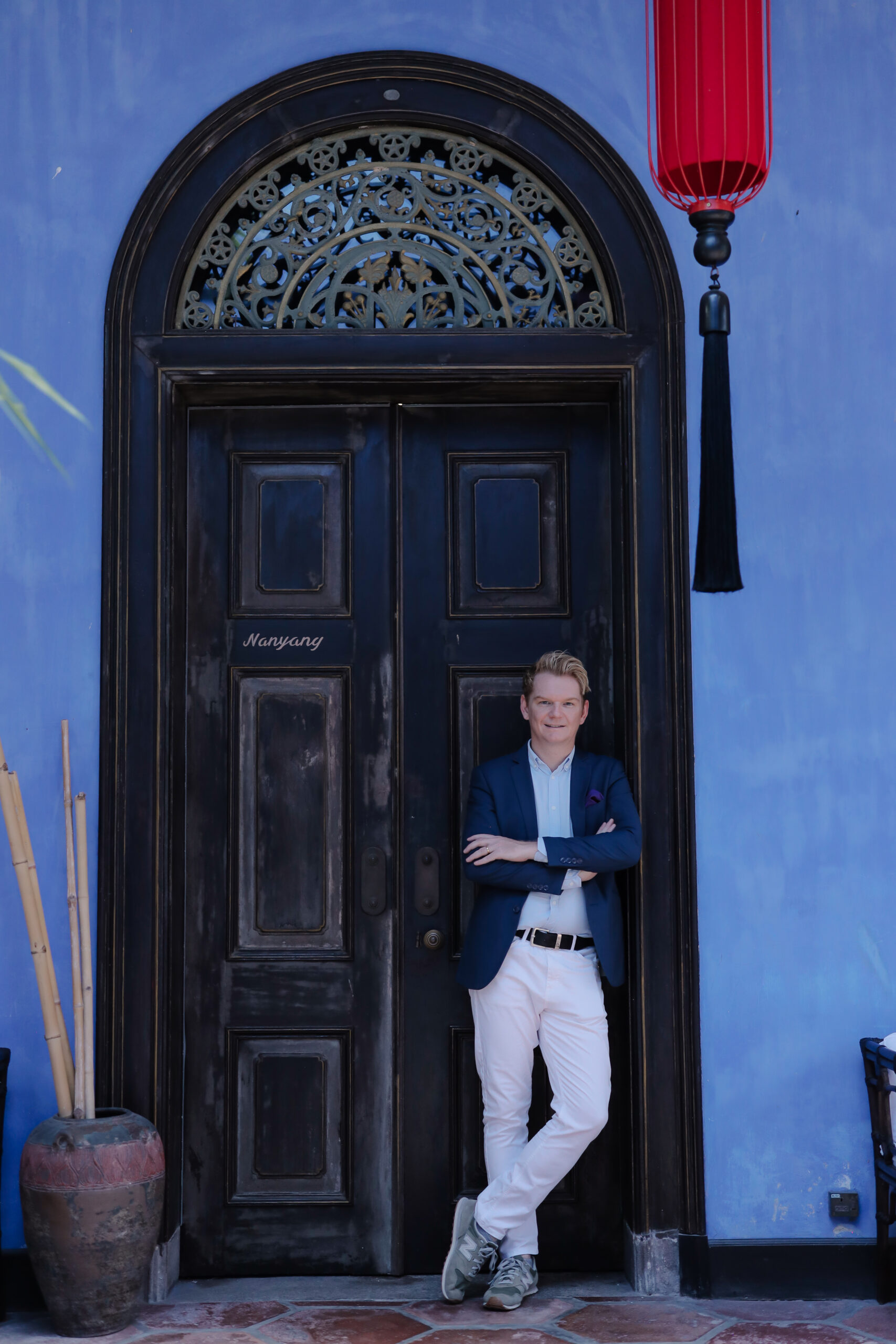

Asia feels like home. Not just a destination, but as a way of life. We understand firsthand what it means to live here, relocate, to invest in a foreign country, and to navigate the excitement, and the challenges, that come with it. We are experienced investors and advisors, guiding our clients with the same care and insight we use for our own investments.
With a deep love for Southeast Asia and a strong focus on Bali and Lombok, we connect international investors to opportunities that go beyond property, opportunities to build a lifestyle, a community, and a long-term vision.
We combine international expertise with local knowledge. Because for us, it’s not just about closing deals. It’s about creating meaningful investments and relationships and a lasting positive impact.
We stand for transparency, trust, and sustainability in the Asian real estate market. With a team of international specialists, we guide investors every step of the way in turning their vision of owning a property in Asia. From establishing legal and business structures to developing high-quality, sustainable projects and fostering meaningful communities.
At HOMES IN ASIA, we specialize in helping home seekers and investors explore the vast opportunities across the Asian real estate market. Whether you’re looking for a vacation home, a long-term investment, or a new place to call home, we’re here to provide expert advice and support every step of the way.

Taco Heidinga
Co-Founder & Director
Taco Heidinga, a real estate strategist who has lived in beautiful Asia for almost ten years, possesses extensive expertise in market analysis, customer engagement, and developing tailored solutions for both sellers and investors.
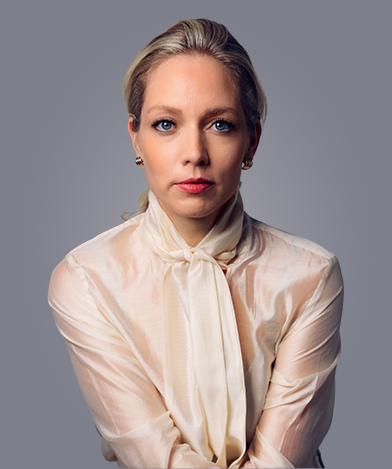
Liv Heidinga-Baggen
Co-Founder & Director
Liv Heidinga-Baggen, an internationally recognized real estate expert with years of experience in Dubai, Germany, and Greece, has built an impressive track record. With three master’s degrees, Liv combines strategic insight with a strong focus on quality and knowledge.

Sabriye Koot
Head of Investments Indonesia
Sabriye is an experienced real estate and urban development professional with over 10 years of experience in the Dutch real estate sector. She recently moved her professional career to Bali. She has extensive expertise in project selection, investment analysis, and strategic investment opportunities.

Adrian Rainartha
Indonesia Certified Lawyer and Notary
Adrian is a senior Indonesian lawyer and legal partner at The Bali Lawyer, where he advises international investors and property buyers on Indonesian law. He specializes in real estate law, company formation, permits, and immigration matters, helping foreign investors navigate the legal landscape in Indonesia.

Maarten Heidinga
Property Consultant
Maarten divides his time between Eindhoven and Bali, combining a strong Dutch work ethic with a deep connection to the island. He is always ready to support wherever needed and consistently goes the extra mile for both colleagues and clients. In the Netherlands, Maarten plays an important role in assisting our Dutch clients and is a familiar face at many of our exhibitions and events. In Bali, he works closely with investors, helping oversee their properties and ensuring everything is managed with care, attention, and reliability.

Thea Dewi
Social Media Executive
Born and raised in Bali, Thea is a creative mind with a passion for real estate, lifestyle, and content creation. Growing up surrounded by Bali’s rich culture and hospitality has given her a deep understanding of the island and its unique way of life. Witnessing Bali’s transformation from a deeply traditional island into a growing global destination has shaped her creative perspective and strengthened her interest in the local real estate and lifestyle industry.

Josephine Teh
Head of Operations
Josephine is a seasoned results-driven operations leader with over a decade of experience across multiple industries in Malaysia and the APAC region. She has held senior management roles spanning real estate, project management, and corporate consulting, with a proven track record of scaling teams, launching technology platforms, and driving operational excellence. With deep cross-regional expertise, Josephine ensures every client journey at Homes in Asia is seamless and well-supported.
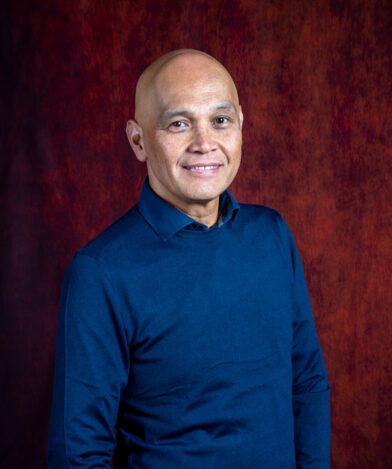
Jeffe Bolte
Financial Advisor & Mortgage Specialist
Jeff lives and works in Leiden, The Netherlands. He is our financial advisor. From his office in the heart of Leiden, within walking distance of Central Station. He provides our clients with tailored mortgage advice. In addition, he has extensive expertise in equity withdrawal, pension planning and insurance solutions.
Together, we combine our expertise to create a platform that goes beyond just property offerings. At HOMES IN ASIA, we analyze regional trends, identify investment opportunities, and ensure that every piece of advice is based on sound insight and integrity.
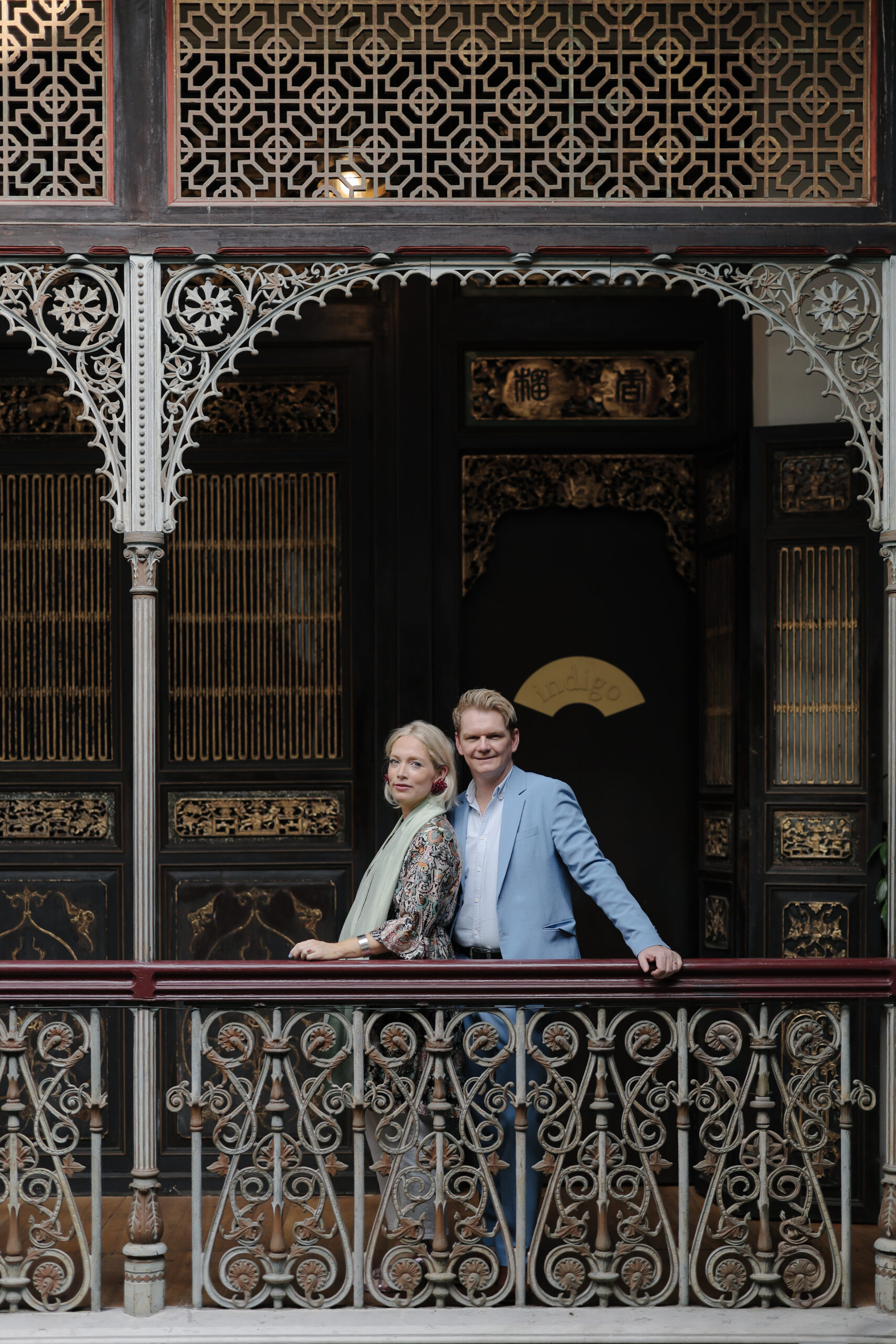
With over 20 years of international real estate experience, we go beyond traditional brokerage. We guide international buyers through every step of investing in Southeast Asia — with local knowledge, honest advice, and hands-on support.
Looking for your dream property in Bali or elsewhere in Asia?
Tell us your wishes, preferred locations, lifestyle goals, and investment plans, and we will provide a carefully selected overview of suitable opportunities tailored to your profile.

At Homes in Asia, we’ve created a series of comprehensive guides designed to help both investors and first-time homebuyers navigate the property buying process. Our guides provide all the essential insights to ensure a smooth and informed purchasing experience.
Navigating Asia’s real estate market can feel overwhelming, with varying regulations and levels of transparency. That’s why working with trusted, thoroughly vetted consultant is essential. At Homes in Asia, we do the due diligence for you—handpicking only reputable projects that meet our rigorous standards. Every opportunity we present has been personally inspected, extensively researched, and verified for quality and reliability.
With our firsthand experience and deep market expertise, we provide a clear, informed path to real estate investment in Asia—ensuring you make confident, well-guided decisions.
The Ultimate Guide for investing in Bali
The Ultimate Guide for investing in Thailand
The Ultimate Guide for investing in UAE
The Ultimate Guide for investing in Malaysia
Yes, foreigners can buy property in Indonesia, but there are specific regulations and limitations. Foreigners typically cannot own land outright but can acquire property through long-term leases or by establishing a legal entity in Indonesia, such as a foreign investment company (PT PMA). Here are some common options for foreigners: Leasehold Agreements: Foreigners can enter into leasehold agreements for a period of up to 30 years, with the possibility of extensions. Freehold with a Local Nominee: Some foreigners choose to use a local Indonesian citizen as a nominee to hold the title, but this can be risky and is not officially recognized by the government. PT PMA: By establishing a foreign investment company (PT PMA), foreigners can own property as part of the business assets. Apartments and Condominiums: Foreigners can own apartments and condominiums under certain conditions, typically up to 50% of the units in a building. It’s essential to consult with legal experts or property specialists familiar with Indonesian law to navigate this process correctly and ensure compliance with local regulations.
In Thailand, foreigners can buy property, but there are specific rules governing ownership: Condos: Foreigners can own up to 49% of the total area of a condominium project. This is the most straightforward way for foreigners to own property in Thailand. Land Ownership: Foreigners cannot own land directly in Thailand. However, there are alternatives:
- Leasehold Agreements: Foreigners can lease land for up to 30 years, with potential extensions.
- Thai Company: Foreigners can establish a Thai company to own land, but this requires careful legal structuring and compliance with Thai laws.
Investment in Real Estate: Foreigners can invest in real estate through certain programs, such as the Thailand Elite Residence Program, which offers long-term residency options. Buildings: Foreigners can own buildings (houses) but must lease the land on which they are built.
In Malaysia, foreigners can buy property, but there are specific regulations to be aware of: Property Types: Foreigners are generally allowed to purchase residential properties, such as condominiums and landed homes, but there are minimum price thresholds that vary by state. For example, the minimum price for foreign ownership can range from RM 1 million to RM 3 million, depending on the location. Condominiums: Foreigners can buy condominiums without restrictions, provided they meet the minimum price requirement. Land Ownership: Foreigners are typically not allowed to own land outright. However, they can acquire leasehold properties, which can be leased for a period of 30 to 99 years. Government Approval: In some cases, foreign buyers may need to obtain approval from the Malaysian government, especially for certain types of properties or if the investment is substantial. Property Investment Schemes: Malaysia also has property investment opportunities aimed at foreigners, such as the Malaysia My Second Home (MM2H) program, which grants long-term residency to qualifying foreigners.
The main difference between leasehold and freehold property ownership lies in the duration and rights associated with the property: Freehold: Ownership**: Freehold means that the buyer owns the property and the land it stands on outright, without any time limit. Duration**: There is no expiration on ownership; it is indefinite. Rights**: The owner has full control over the property, including the right to sell, rent, or modify it, subject to local regulations. Common Use**: Typically applies to houses and some types of land. Leasehold: Ownership**: Leasehold means that the buyer owns the property for a specified period but does not own the land. The land is owned by another party (the lessor). Duration**: Leasehold agreements usually last for a fixed term (commonly 30, 50, or 99 years), after which ownership reverts to the landowner unless the lease is renewed. Rights**: The leaseholder has rights to use and occupy the property according to the lease terms but may face restrictions on modifications or subletting. Common Use**: Often applies to apartments and commercial properties.
The average lease period for property in various Asian countries can vary significantly based on local laws and customs. Here are some general guidelines: Thailand: Leasehold agreements typically last for 30 years, with options for extensions, often in 30-year increments. Malaysia: The standard lease duration is generally 30 years, with options to extend, often up to 99 years in some cases. Indonesia: Leasehold agreements can be for 25 to 30 years, with options for renewal, often for additional periods. Singapore: Residential leases are commonly for 99 years, especially for government-subsidized Housing and Development Board (HDB) flats, though shorter leases (like 1 to 3 years) are common in the rental market. Philippines: Lease agreements can be for a maximum of 50 years, with a possible extension of another 25 years. Vietnam: Foreigners can lease land for up to 50 years, with potential extensions on a case-by-case basis.
As a property owner in various Asian countries, you’ll typically encounter several types of taxes. General Considerations: Local Variations: Tax rates and regulations can vary widely within countries, often depending on local jurisdictions. Foreign Ownership Regulations: Some countries impose different tax rates or additional fees for foreign property owners. Consult Homes in Asia: It’s advisable to consult with local tax advisors or legal experts to understand specific obligations and ensure compliance with local tax laws. Always check the latest regulations, as tax laws can change, and local professionals can provide the most accurate guidance.